Training
Triathlon Distances – Ironman, Olympic, Sprint and Much More

Triathlon Race Distances in Miles and Kilometers:
Triathlon as a type of endurance sport includes swimming, cycling, and running, although the distances are different. Some of the comparatively lower-level competitions may even be completed in under an hour; however, some of the more challenging ones could even last up to 17 hours and sometimes even more. A triathlon is the completion of all three sports in a relay, one after the other, in the order listed above. If you want to look at the professional race schedule or age group competitions, you will observe that the distances vary a lot.
This guide will contain a list of distances that are now practiced by triathletes, along with tips and reviews for everyone who is reading it. Bulletproof your next triathlon race with the ultimate race format.

Different Triathlon Distances:
Triathlons can be different lengths. Some famous ones, like the Alpe d’Huez Triathlon, adjust their distances for tough places, like mountains in France. However, events like Ironman and the Olympics typically use the same set distances for their races.
Most triathlons try to match these well-known distances. Distance gives you an idea of how hard a race is, but it’s not the only thing. The course and weather matter too.
For example, a 30 km bike ride with hills in hot weather can be tougher than a 40 km ride on smooth roads at 20 degrees Celsius.
Now, let’s explore the most common triathlon distances, beginning with the longest.
Ironman Triathlon:
Ironman triathlons are the toughest endurance sports, which were initiated by a competition in Oahu in 1978 to determine who among swimmers, cyclists, and runners was the most fit. These events consist of a 2.4-mile (3.8 km) swim, a 112-mile (180 km) bike ride, and a full marathon of 26.2 miles (42.2 km).
Since then, the Ironman has transformed into an international-level event that has events termed M-Dot all over the world. The fastest Ironman times were set by Chrissie Wellington (8: Brazil’s Maurice Leonardi set a new world record in the event at Challenge Roth in Germany in 2011, recording a time of 8 hours, 18 minutes and 13 seconds), while Jan Frodeno from Germany recorded 7 hours, 35 minutes, and 39 seconds in 2016.
For the majority of the athletes, finishing an Ironman within the allowed time of seventeen hours is realistically challenging, let alone an average time of between 12 to 14 hours. So, the deca and double deca courses, which are ultra-triathlon distances, push competitors even farther.
Ironman triathlon preparation demands substantial commitment, usually 10–12 hours per week, for 6–8 months. This consists of long bike rides, long runs, and swimming, where there is a schedule for how to prepare for each sport. Coping with time and explaining the training objectives to the family is always important, as preparation requires a lot of time.
Swim training should focus on challenging themselves further, with a 2:20-hour cut-off if they wish to continue to the bike leg, and cyclists must finish the bike leg in 10:30 hours to be able to do the marathon. Plain walking, days off, and patterned training days in a week assist athletes in developing stamina and reduce the possibility of getting injured.
Participating in an Ironman is not for the faint-hearted because it involves dedication and hard work in all three facets of triathlon, including swimming, cycling, and running.
Half Ironman / Ironman 70.3
The Ironman 70. 3, or the half Iron distance or middle-distance triathlon, has developed into a popular race because it is a harder step up from the Olympic distance races. It profiles a 1.2-mile (1.9 km) swim, a 56-mile (90 km) bicycle ride, and the last 13.1-mile (21.1 km) run—half of the respective distances in a full Ironman.
Since it is a trademarked event, Ironman 70. 3 has its own World Championship, which was established in 2006 in Florida and moves every year to a different country/area. It draws about 6,000 approved athletes, who are divided into groups by gender and are allowed to race on Saturday for women and Sunday for men only.
For competitive athletes, top male professionals typically finish in about 3 hours and 45 minutes, while women finish around 4 hours. Age-groupers complete the race at varying times, with an average cut-off of around 9 hours.
How much training do you need? Training for a middle-distance race is similar to a standard-distance triathlon but with longer runs and bike rides, lasting about 5–6 months.
Bike fitness helps with swimming and running without risking injury. Strong biking frequently translates into quicker running times. Aim for 3–4 bike sessions and 3 runs per week, plus one strength session.
Olympic Distance Triathlon:
The Olympic triathlon, or standard-distance triathlon, is well-known and featured prominently in the Olympics with a 1.5km swim, 40km bike ride, and 10km run. This format has been standard since the World Triathlon Championship began in France in 1989.
On TV, you might see cyclists in groups during the bike leg, but for amateurs, it’s non-drafting, meaning you can’t stay behind another cyclist for too long to keep the race fair and safe.
Elite men cover the distance at around 1:45:00 in races that allow the use of wetsuits, while their female counterparts take around 1:50:00. Professional triathletes take around 2 hours and 30 minutes, and good amateur triathletes take about the same time as well. A complete novice could hope to complete the course in approximately 3 ½ to 4 hours. The triathlon Olympic distance is slightly easier than the marathon; however, there is so much to deal with in the race itself.
The Olympic distance remains pivotal in the World Triathlon Championship Series (WTCS), featuring 6 to 8 races from spring to autumn culminating in a Grand Final. Earlier, priority was placed only on international competitions in the LJ and TJ, and more recently, the WTCS has incorporated more sprint distances and is toying with different forms of race.
Sprint Triathlon:
The sprint triathlon is very Prescott, covering slightly less distance than the full Olympic triathlon event. which consists of a 750-meter swim, a 20-kilometer bike ride, and a 5-kilometer run, which are done in water, most preferably in lakes or rivers.
Even though it’s called a “sprint,” it’s a challenging race. Elite juniors often race this distance until they reach the under-23 level. Some want this to replace the Olympic standard distance. In amateur races, draft-legal rules may apply, allowing athletes to ride closely behind others for efficiency.
Events often offer different distances, like standard, sprint, or super sprint. Elite triathletes typically finish in under an hour, while amateurs generally take 1 to 2 hours to complete the race.
Training for a sprint triathlon: You can manage this with 4-6 hours per week. Begin training about three months before the race. Include 2 swims, 1-2 bike rides, and 1-2 runs per week. Practice transitions (brick sessions) where you switch quickly from bike to run.


Super Sprint Triathlon:
A super-sprint triathlon event is suitable for first-timers, making it a good event to kick off with. It consists of a 400m swim, followed by a 10km bike ride, and finishes with a 2.5km run.
The swim is usually held in a pool, which negates the use of wetsuits or having to swim in the open seas, thus attracting more contestants. If all three full courses appear to be too much, there is the duathlon, which consists only of the bike and running parts of one’s choice, or one can form a relay team for the competitions.
This short triathlon lets you experience all three activities without extensive training. Aiming to finish under 1 hour is great, but many beginners focus on completing the race and having fun.
Training can fit easily into your weekly routine. Aim for at least one session each of swimming, biking, and running weekly for two to three months before the race. Joining fitness classes can also help. As the race nears, practice running right after biking to get used to the transition.
A basic plan includes swimming, biking, and running 1-2 times a week. This mix builds strength and confidence. Enjoy the journey, and soon you’ll cross the finish line as a triathlete!
Supertri:
The Super League Triathlon distance is fast, far from the normal triathlon kind of race, and it incorporates a 200-meter swim, a 4-kilometer bike ride, and a 1-kilometer run. As an intense, short-course triathlon that is fast and intense, this race collects some of the best triathletes from all over the world, Olympic and world champions included.
Because, unlike others, the athletes do not only get to do it once. However, they do miracle racing, where they use different disciplines in different races. The other forms, Enduro, TriplEliminator, MinatEqualizer, andualizer, make the games even more interesting and challenging.
Supertri E:
Contemporary to innovation, the SLT Arena Games are the latest development in the integration of triathlon races, supplemented by e-racing for the indoor race. Athletes compete over Super League triathlon distances: It is a 200-meter swim followed by a 4-kilometer bike ride and a 1-kilometer run that need to be repeated several times and can be in different sequences.
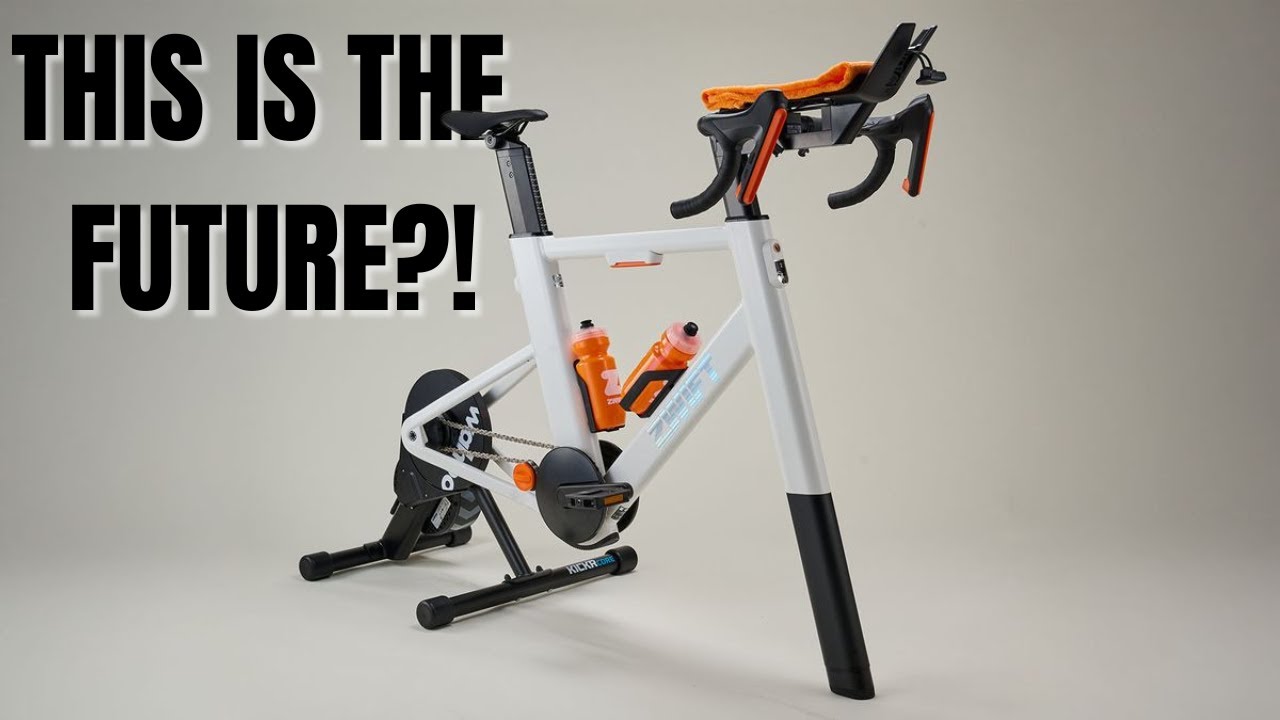
Thus, in the SLT Arena Games, the swim is performed in a pool, the bike segment on the turbo trainer, and the run on a curved treadmill that relies on the athlete’s own efforts. If it belongs to the format, it can be distinguished by the virtual part, where real athletes swim and run on the physical site while using the bike and run section in the world of Zwift. This enables the viewers to watch the cyclist avatars race one on the other on the Zwift platform, thus making it more interesting.
What is the Distance of a T100 Triathlon World Tour Event?
The Professional Triathletes Organisation (PTO) runs a series of triathlons in the newly-named 2024 T100 World Triathlon Tour, featuring a 2km swim, an 80km bike ride, and an 18km run. Events take place in vibrant locations like London, San Francisco, Ibiza, and Singapore.
Each event includes both professional and age-group fields, with the total distance for each event being 100 km, as the name suggests. This distance is unusual and not standard within the sport of triathlon. Interestingly, it is shorter than a half-Ironman but still requires endurance, skill, stamina, and power.
Conclusion:
Altogether it can be concluded that the triathlon has a number of race distances appropriate for all types of participants, from novices to professional athletes. All distances have their pros and cons, from the tactical nature of the sprint triathlon to the roller-coaster marathon that is Ironman. Triathlon can be a personal best or a world championship-level thrill ride through swimming, biking, and running.
This means that the choice of distance is critical and should be influenced by the fitness level, goal, and preconceived notions of the athlete. A first-timer may opt for the super sprint or the sprint triathlon as he or she launches a test trial, while the advanced triathlete may decide to take on the half-Ironman or even the full Ironman event. The three race formats are not only a challenge to one’s bodily strength but also demand planning, commitment, and psychological endurance.
Today, triathlon is expanding with new formats such as the Super League Triathlon and the SLT Arena Games; thus, more and more athletes are joining it around the world. Regardless of whether one competes for dear honors or Great Britain personal victories, the triathlon represents the values of endurance, fellowship, and triumph in its differing formats and difficult terrains.